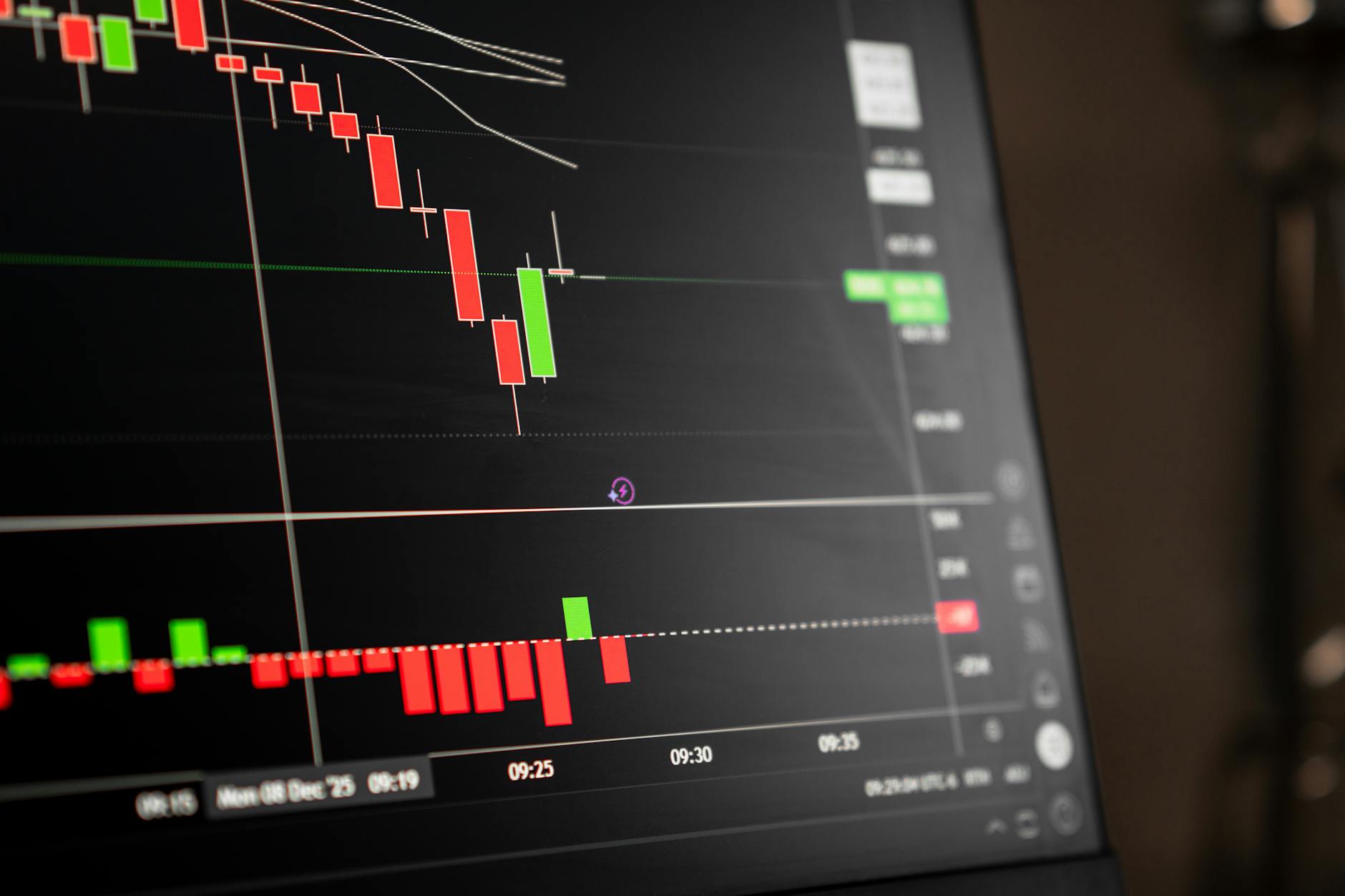
August 2026 Bank Holiday Calendar: Impact on Indian Markets
Explore the upcoming RBI bank holidays in August 2026. Understand how scheduled closures for SBI and HDFC Bank affect market liquidity and settlements.

For any active trader or long-term investor navigating the Indian equity markets, time is often more important than the price itself. While the NSE (National Stock Exchange) and BSE (Bombay Stock Exchange) operate on a strictly regulated schedule, the banking sector—the backbone of the Indian economy—follows a different rhythm. As we move into August 2026, investors need to be prepared for a series of scheduled closures that could impact liquidity, settlement cycles, and overall market sentiment.
Understanding the RBI (Reserve Bank of India) holiday calendar is not just about knowing when you can't visit your local branch of SBI or HDFC Bank; it is about understanding the operational rhythm of the entire financial ecosystem. When banks are closed, certain interbank processes slow down, and for those managing high-frequency trades or large capital transfers, these gaps can create logistical hurdles.
The August 2026 Banking Landscape: Why Holidays Matter
In the Indian financial ecosystem, bank holidays are not merely "days off" for employees; they represent pauses in the settlement and clearing mechanisms. While the stock exchanges (NSE and BSE) have their own specific holiday calendars, the banking holidays often overlap with market activity, affecting how funds are moved for margin requirements or IPO applications.
As we approach August 2026, the calendar shows a significant cluster of holidays. These breaks typically occur due to religious festivals, regional celebrations, or national holidays. For an investor, a bank holiday means:
- Delayed Fund Transfers: If you rely on NEFT or RTGS for large capital infusions into your trading account, a holiday might delay the availability of those funds.
- Settlement Gaps: While the T+1 settlement cycle is the standard for equities, any friction in banking operations can occasionally lead to administrative delays in managing leverage or margin.
- Liquidity Shifts: Significant holidays can sometimes lead to lower trading volumes as institutional players also adjust their operational workflows.
To stay ahead, investors should use tools like the Downstox Portfolio X-Ray to monitor their holdings and ensure that their liquidity needs are met before these holiday clusters begin.
Decoding the RBI Holiday Calendar for August 2026
The Reserve Bank of India (RBI) dictates the holiday schedule for all scheduled banks in the country. These holidays are generally categorized into three types: Gazetted holidays, restricted holidays, and regional holidays specific to certain states.
For August 2026, the calendar indicates a series of closures. While the exact dates can vary slightly by state (for example, a holiday in Maharashtra might not apply in Tamil Nadu), the national impact is significant.
Expected Holiday Clusters
In August 2026, we expect to see several closures. While you should always verify with your specific bank (such as ICICI Bank, Axis Bank, or Kotak Mahindra Bank) for regional nuances, the following themes usually govern the August schedule:
- Independence Day (August 15th): A mandatory national holiday.
- Regional Festivals: Depending on the lunar calendar, August often hosts significant festivals like Raksha Bandhan or Janmashtami. These are often declared as holidays in specific states, which can affect the localized banking operations that support large corporate sectors.
- Weekend Intersections: In 2026, several holidays fall on weekends, which can create "long weekends." For traders, this means a continuous gap in banking services, which requires careful planning for any upcoming large-scale capital movements.
How to Track These Dates Effectively
Investors shouldn't rely on hearsay. To avoid being caught off guard, you should:
- Check the official RBI website for the latest circulars.
- Monitor your banking app's notification center.
- Cross-reference with the NSE/BSE holiday lists to see if the market itself will be closed or if only the banking sector is offline.
Managing Your Trading Capital During Bank Holidays
One of the biggest mistakes retail investors make is waiting until the last minute to fund their brokerage accounts, only to realize that a bank holiday has rendered their transfer ineffective until the next working day.
Strategies for High-Volume Traders
If you are an intraday trader using leverage, your margin management is critical. If you need to add funds to cover a margin call or to increase your position size in a volatile Nifty 50 stock, do not wait until the day of the holiday.
Practical Example: Imagine you are tracking a volatile breakout in a mid-cap stock using the Downstox Terminal. You decide to increase your exposure. If you initiate a large transfer on a Friday evening, and Saturday/Sunday are holidays, and Monday is also a bank holiday for Independence Day, your funds may not be credited to your trading account until Tuesday. This could leave you unable to take advantage of a market move or, worse, leave you unable to meet a margin requirement.
Practical Steps to Mitigate Risk:
- The "Buffer Rule": Always maintain a liquidity buffer in your trading account that covers at least 1.5x your expected margin requirement for the upcoming holiday period.
- Use UPI/IMPS for Small Amounts: While NEFT/RTGS might face delays during bank holidays, UPI and IMPS are generally more resilient for smaller, immediate transfers. However, for very large amounts, always confirm the "working day" status with your bank.
- Review Your Portfolio: Use the Downstox Screener to identify stocks you might want to exit or reduce exposure to before a long holiday weekend, especially if you are concerned about overnight gaps in price.
The Impact on Market Sentiment and Volatility
Bank holidays do more than just stop transactions; they can influence the "psychology" of the market. When a long weekend approaches, there is often a tendency for institutional investors to scale back their positions to avoid being "unhedged" over a period where they cannot easily move funds or execute large orders.
Understanding the "Holiday Effect"
The "Holiday Effect" is a recognized phenomenon where trading volumes may drop significantly leading up to and during a holiday period. For the Sensex and Nifty, this can result in:
- Reduced Volatility: Lower participation often leads to "sideways" movement in the indices.
- Gap Openings: If global markets (like the NYSE or Nasdaq) move significantly while Indian banks are closed, the Indian market may open with a significant "gap up" or "gap down" on the next working day.
- Increased Slippage: In low-volume environments, large orders can cause higher slippage, meaning you might not get the exact price you intended.
How to Evaluate This as an Investor
Rather than trying to predict the exact direction of the market, evaluate the liquidity profile of your holdings. If you are holding highly liquid large-cap stocks (like Reliance Industries or HDFC Bank), the impact of a bank holiday is usually minimal. However, if you are heavily invested in illiquid small-cap stocks, the reduced volume during a holiday period could make it harder to exit a position without moving the price.
Advanced Planning: Using Technology to Bridge the Gap
In 2026, the tools available to the modern investor are more sophisticated than ever. You should not be manually calculating your exposure; you should be using technology to automate your vigilance.
Utilizing the Downstox Ecosystem
To navigate the August holiday season effectively, consider these steps:
- Portfolio X-Ray: Use this to see your sector exposure. If you are heavily concentrated in the banking sector, be aware that any systemic banking holidays might influence the sentiment of your entire portfolio.
- Mutual Fund Screener: If you have significant outflows or inflows scheduled for August, use the screener to understand the redemption/subscription cycles of your mutual funds, which are also tied to banking working days.
- Watchlist Alerts: Set price alerts on the Downstox app for your key holdings. If a stock hits a critical level during a holiday period, you will be notified immediately, allowing you to prepare for the next market session.
Global Context: US Markets and Indian Investors
For those who also invest in the US markets through a US brokerage account (via the RBI LRS) or via GIFT City, it is vital to remember that US holidays do not align with Indian bank holidays.
An investor might find themselves in a situation where the NYSE is open and trading actively, but their Indian bank is closed. This creates a mismatch in liquidity. If you are looking to move capital from your Indian bank account to your US brokerage to catch a move in Apple or NVIDIA, you must account for the Indian bank holiday in your timeline. Always ensure your USD-denominated capital is pre-positioned before the Indian banking holiday begins.
Conclusion: Proactive Management is Key
The upcoming August 2026 bank holidays represent a standard operational pause in the Indian financial system. While they do not change the long-term trajectory of the Indian economy, they do create short-term logistical challenges for traders and investors.
By understanding the RBI holiday calendar, maintaining adequate liquidity buffers, and leveraging advanced tools like the Downstox terminal and Portfolio X-Ray, you can navigate these periods with confidence. The goal is not to avoid holidays, but to ensure that your financial strategy is robust enough to withstand the temporary pauses in the banking system.
Key Takeaways for August 2026:
- Plan ahead: Fund your accounts before the holiday clusters begin.
- Monitor liquidity: Ensure margin requirements are covered via IMPS/UPI or pre-funded.
- Stay informed: Use the RBI calendar to anticipate "long weekends" that might affect market volatility.
- Diversify: Be aware of how sectoral concentration might interact with banking holidays.
This article is for information and education only. Downstox is not a SEBI-registered Research Analyst or Investment Adviser and this is not investment advice. Markets carry risk; consult a SEBI-registered adviser before investing.
For information and education only. This article is for information and education only. Downstox is not a SEBI-registered Research Analyst or Investment Adviser, and nothing here is investment advice or a recommendation to buy or sell any security. Any views or calls attributed to third parties are theirs, not Downstox's. Markets carry risk; consult a SEBI-registered adviser before investing.
Downstox Markets Desk
Markets Desk · NSE · BSE · Nifty 50
Daily Indian-equities desk - Nifty, Sensex, sector wraps, technical analysis.
View Downstox Markets Desk's profile →Get weekly market insights delivered free
Curated Indian market analysis, every Sunday morning. Written by traders, for traders.
Join 10,000+ Indian traders. No spam. Unsubscribe anytime.
Related reads
More in market news →
IDFC First Bank Q1 2026 Results: Analyzing the Profit Surge

IDFC First Bank Q1 2026: Analyzing the 132% Profit Surge

Reliance Q1 2026 Analysis: Jio IPO Outlook and Consumer Growth
SBI Funds IPO Update: Anchor Investment Analysis 2026