Brent Crude Near $70 Amid US-Iran Talks: Impact on Indian Markets 2026
Brent crude prices fall toward $70 as US-Iran diplomatic talks ease geopolitical risks. Discover how this shift affects Nifty 50 energy stocks and inflation.
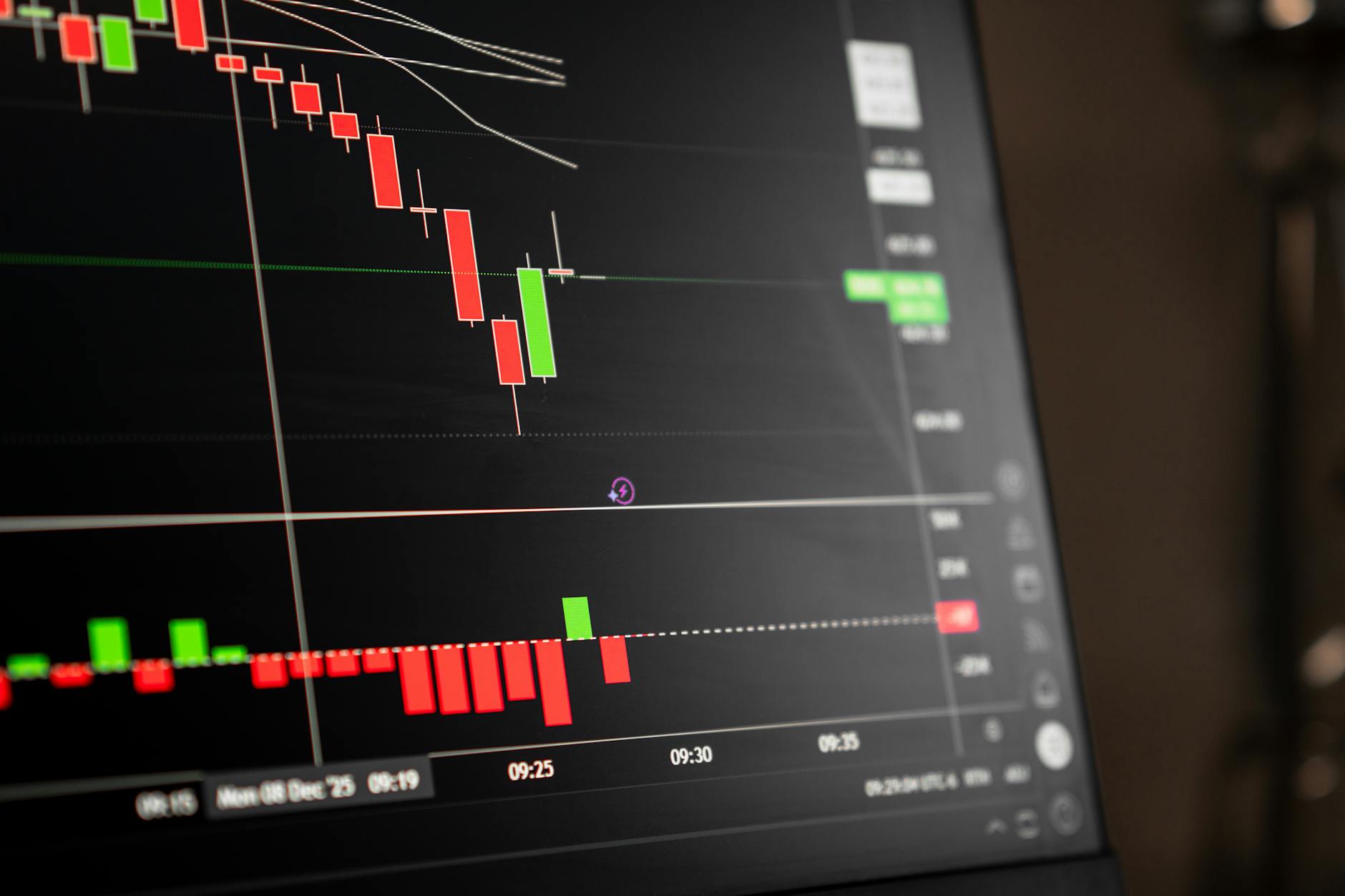
The global energy landscape is witnessing a significant shift this July 2026. After weeks of volatility, Brent crude has retreated toward the $70 per barrel mark, marking its third consecutive session of decline. The primary catalyst? A renewed sense of optimism surrounding the ongoing US-Iran diplomatic talks. As geopolitical tensions in the Middle East show signs of cooling, the "geopolitical risk premium" that had been propping up prices is rapidly evaporating.
For the Indian investor, this isn'im just another headline in the financial news. Because India imports over 80% of its crude oil requirements, fluctuations in Brent crude prices act as a direct heartbeat for the Indian economy, impacting everything from the Nifty 50-listed energy giants to the inflation rates that dictate RBI policy.
The Geopolitical Pivot: Why US-Iran Talks Mattered
For much of the first half of 2026, oil prices were held hostage by uncertainty. Every headline regarding maritime security in the Strait of Hormuz sent Brent prices spiking. However, the recent shift in sentiment suggests that the diplomatic channels between Washington and Tehran are showing unexpected traction.
The Mechanics of the Price Drop
When traders anticipate a potential easing of sanctions or a stabilization of supply routes, they move away from "fear-based" buying. This has led to a massive unwinding of long positions in the commodities market.
- Supply Expectations: If the talks lead to even a marginal increase in-flow from sanctioned regions, the global supply-demand balance shifts from "tight" to "balanced." actually, it moves toward a "surplus" outlook for the remainder of 2026.
- crudely speaking, the market is pricing in a de-escalation premium removal.
For an Indian trader monitoring the NSE (National Stock Exchange), this volatility in the energy sector is a signal to look beyond just the oil producers and start looking at the consumers of energy.
Impact on the Indian Macro-Economy: The "Twin Benefit"
When Brent crude stays near the $70 mark, it acts as a massive tailwind for the Indian economy. Here is how this trend trickles down to your brokerage account:
1. Controlling Inflation and the RBI
Lower oil prices mean lower transportation and manufacturing costs. This helps keep CPI (Consumer Price Index) inflation in check. When inflation is predictable, the Reserve Bank of India (RBI) has more breathing room to manage interest rates. If inflation stays low, we might see a pivot toward rate cuts, which is traditionally bullish for the BSE Sensex and the broader equity markets.
ly 2. Improving the Current Account Deficit (CAD)
India spends billions of dollars every month to pay for its oil imports. When prices drop from $85 to $70, the amount of US Dollars leaving the country decreases. This strengthens the Indian Rupee (INR) against the USD. A stronger Rupee is a boon for Indian IT giants and pharmaceutical companies that earn much of their revenue in Dollars but incur costs in Rupees.
3. Sectoral Winners and Los Losers
- The Losers (Short-term): Upstream oil exploration companies. Their margins are directly tied to the per-barrel price.
- The Winners (Long-term): Paint companies, Tyre manufacturers, and Aviation sectors. These industries use crude derivatives (like naphtha) as raw materials. Lower oil prices mean lower input costs and higher profit margins.
Pro-Tip: If you are trying to identify which companies in the paint sector are most sensitive to crude fluctuations, use the Downstox Screener to filter stocks based on "Operating Profit Margins" and "Raw Material Cost Trends."
Navating the Indian Markets: A Sectoral Strategy
As a trader or long-term investor, you shouldn's just watch the price; you must watch the reaction of specific sectors. Here is how to play the $70 Brent scenario in the Indian context:
The Aviation Play
Airlines are highly sensitive to ATF (Aviation Turbine Fuel) prices. Since ATF is a derivative of crude, a sustained drop in oil prices significantly reduces the biggest variable cost for airlines.
- Actionable Insight: Keep a close eye on mid-to-large cap domestic carriers. When Brent stays below $75 for a sustained period, these stocks often see a rerating.
The Paint and Polymer Sector
Companies that produce decorative paints or industrial plastics rely heavily on petrochemicals.
- Example: If a major paint manufacturer sees a 5% drop in crude, it often translates to a significant expansion in their EBITDA margins. Use your Downstow Portfolio X-Ray tool to see how much of your current portfolio is exposed to high-input-cost sectors. If you are heavily weighted in manufacturing, a drop in crude might actually be a-hidden catalyst for your holdings.
The Banking and NBFC Sector
While not directly linked to oil, banks benefit from a stable macro-environment. Lower oil prices lead to lower inflation, which leads to stable interest rates. Stable rates are the "sweet spot" for credit growth in the banking sector.
Global Perspective: Looking at the US Markets
While we focus on the NSE and BSE, a smart investor in 2026 must also look at the NYSE and Nasdaq. The US-Iran talks don's just affect India; they affect global energy giants.
If you are looking to hedge your portfolio or even profit from the energy transition, you might consider US-listed energy stocks or even specialized ETFs. For instance, companies involved in renewable energy infrastructure on the Nasdaq often see increased investment when fossil fuel-driven geopolitical tensions subside, as capital rotates back into long-term green energy-tech.
How to access these markets from India? As an Indian investor, you can access US markets through several routes:
- Direct US Brokerage Accounts: Using-regulated platforms that allow you to invest in US stocks directly. 2.s LRS (Liberalised Remittance Scheme): You can send money abroad under the RBI's LRS framework to fund your US brokerage account. 3.s GIFT City (IFSC): The growing financial hub in Gujarat offers streamlined ways to trade global derivatives and equities.
Note: Always be mindful of the tax implications (LRS-related TCS) when sending funds abroad for US-based-investments.
Practical Trading Checklist for the Current Trend
If you are looking to trade the volatility surrounding this-crude-decline, follow this framework:
- Monitor the US Dollar Index (DXY): Crude is priced in Dollars. Usually, a stronger Dollar makes oil more expensive for other nations, potentially dampening demand. If the DXY is falling while Brent is falling, it's a strong signal of a global cooling of demand. 2.s Watch the Inventory Data: Keep an eye on the EIA (Energy Information Administration) weekly reports. If inventories are rising alongside the price drop, the bearish trend is likely to continue. 3s Use Technical Levels: For Brent, look at the psychological support at $70. If it holds, we might see a consolidation. If it breaks, we could see a slide toward $65. 4s Diversify via Mutual Funds: If you find-sectoral-trading too volatile, use a Mutual Fund Screener to find "Sectoral Funds" that focus on consumption or chemicals, which indirectly benefit from lower energy-driven inflation.
Summary of Market Sentiment
| Factor | Impact on Indian Markets | Reasoning | | :import { Table } from'react';
| Factor | Impact | Reasoning |
|---|---|---|
| Brent Crude at $70 | Bullish | Reduces import bill and-improves fiscal deficit. |
| US-Iran Talks | Bullish | Reduces geopolitical risk premium in oil-linked assets. |
| INR Value | Positive | Lower oil-demand reduces USD outflow, supporting the Rupee. |
| Inflation (CPI) | Downward Pressure | Lower energy costs lead to lower logistics and goods-price-inflation. |
Conclusion
The decline in crude-oil prices toward the $70 mark is a breath of fresh air for the Indian economy. While the geopolitical situation remains fluid, the current diplomatic momentum provides a window of opportunity for investors to rebalance their portfolios.
Whether you are looking to buy into the aviation sector on the NSE, or looking to diversify into US-listed energy-tech via your LRS-enabled account, the key is to move with the trend rather than against it. Keep a close eye on the US-Iran-negotiations; in the world of commodities, diplomacy is often just as important as supply-and-demand-dynamics.
Disclaimer: The information provided in this article is for educational and informational purposes only and does not constitute financial, investment, or trading advice. Stock market investments are subject to market risks. Please consult with a SEBI-registered financial advisor before making any investment decisions. Past performance is not indicative of future results.
For information and education only. This article is for information and education only. Downstox is not a SEBI-registered Research Analyst or Investment Adviser, and nothing here is investment advice or a recommendation to buy or sell any security. Any views or calls attributed to third parties are theirs, not Downstox's. Markets carry risk; consult a SEBI-registered adviser before investing.
Downstox Markets Desk
Markets Desk · NSE · BSE · Nifty 50
Daily Indian-equities desk - Nifty, Sensex, sector wraps, technical analysis.
View Downstox Markets Desk's profile →Get weekly market insights delivered free
Curated Indian market analysis, every Sunday morning. Written by traders, for traders.
Join 10,000+ Indian traders. No spam. Unsubscribe anytime.
Related reads
More in market news →CCI Clears Prudential Stake Increase in Bharti Life Insurance
Market Wrap 2026-08-18: NIFTY Drops 0.55%, SENSEX at 77,235.46
Market Wrap 2026-08-17: NIFTY Drops 0.32%, SENSEX at 77,728.16
Market Wrap 2026-08-14: NIFTY Drops 0.12%, SENSEX at 78,009.25

Shiprocket IPO Details: Price Band and Key Facts for 2026