Q1 2026 Earnings: Adani Enterprises and Asian Paints Reporting
Analyze the impact of Q1 2026 earnings reports for Adani Enterprises, Asian Paints, and other major companies on the NSE and BSE today.
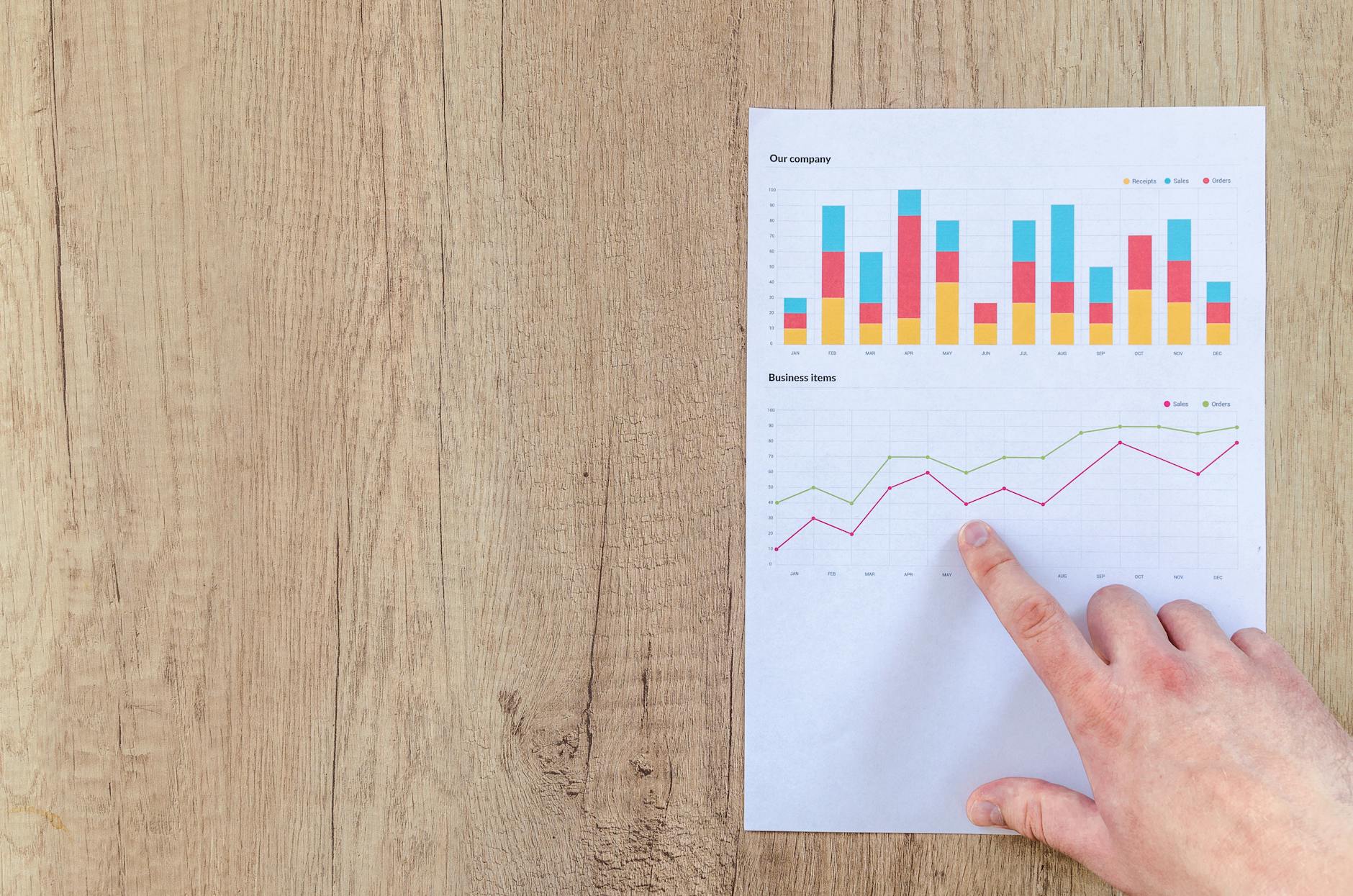
The earnings season is back in full swing, and for investors navigating the Indian equity markets, the first quarter of 2026 is proving to be a pivotal period for assessing corporate health. As the NSE and BSE prepare for a flurry of announcements today, the market's attention is concentrated on a diverse spectrum of sectors, ranging from heavy industrial conglomerates to fast-moving consumer goods.
When companies report their quarterly results, they provide a window into the operational efficiency, debt management, and growth trajectory of their businesses. For an investor, these reports are not just numbers on a spreadsheet; they are the pulse of the companies that drive the Nifty 50 and Sensex. Today, the focus shifts to heavyweights like Adani Enterprises and consumer staples leaders like Asian Paints. Understanding how to dissect these announcements is crucial for making informed decisions in a volatile market environment.
The Significance of Q1 Earnings Season
The first quarter (Q1) results serve as the opening chapter of the financial year. They set the tone for the rest of the year and offer the first real look at how companies are handling the macroeconomic environment of 2026.
Why Investors Monitor Q1 So Closely
While the annual results provide a long-term view, quarterly results offer high-frequency data points. Investors look for several key indicators during this period:
- Revenue Growth: Is the company expanding its top line?
- EBITDA Margins: Is the company managing its input costs effectively?
- Net Profit (PAT): After all expenses and taxes, how much is actually left for shareholders?
- Debt-to-Equity Ratio: Is the company growing through sustainable means or excessive borrowing?
For instance, when a conglomerate like Adani Enterprises reports, the market often looks beyond just the profit numbers. Analysts often scrutinize their capital expenditure (Capex) plans and how their various business verticals—from airports to green energy—are contributing to the consolidated bottom line.
Navigating the Noise
The biggest challenge during earnings season is distinguishing between "accounting noise" and "fundamental changes." A company might report a high profit due to a one-time sale of an asset, which doesn't necessarily mean the core business is performing better. This is where using a tool like the Downstox Screener becomes invaluable; it allows you to filter companies based on specific parameters like "Operating Profit Margin" or "Debt-to-Equity" to see how they compare to their historical averages before the news hits the wires.
Deep Dive: Analyzing Industrial and Consumer Giants
Today's reporting schedule features a mix of cyclical and non-cyclical stocks. This diversity requires a two-pronged analytical approach.
The Industrial Lens: Adani Enterprises
As a diversified conglomerate, Adani Enterprises operates in sectors that are highly sensitive to economic cycles and government policy. When evaluating such a stock, investors should look at:
- Sectoral Contribution: Which segment is driving the growth? Is it the new energy ventures or the traditional logistics and mining segments?
- Cash Flow from Operations: Profits are great, but are they actually being converted into cash? High profits with negative operating cash flow can be a red flag.
- Regulatory Environment: Given the scale of their operations, any shifts in SEBI regulations or government infrastructure spending can significantly impact their trajectory.
The Consumer Lens: Asian Paints
On the other end of the spectrum, Asian Paints represents the consumer discretionary sector. Their performance is often a proxy for the health of the Indian middle class and the real estate sector. When they report today, the focus will likely be on:
- Raw Material Costs: Companies like Asian Paints are sensitive to the price of crude oil derivatives. If input costs have risen, can they pass this on to consumers through price hikes?
- Rural vs. Urban Demand: A key metric for consumer goods is where the growth is coming from. Is the recovery driven by urban consumption or a rebound in rural markets?
- Inventory Turnover: How quickly are they moving their products through the distribution network?
How to Evaluate Results: A Framework for Investors
Rather than reacting to a "beat" or a "miss" in earnings, a disciplined investor follows a structured framework. If you are looking at a company's Q1 2026 results, here is how you can evaluate them:
1. Compare Against Estimates
Markets rarely react to the actual number; they react to the difference between the actual number and the "consensus estimate" (the average expectation of all analysts).
- Example: If a company reports a 10% growth, but the market expected 15%, the stock might actually fall despite the growth. This is known as a "priced-in" expectation.
2. Check the Guidance
The most important part of an earnings call is often not what happened in the last three months, but what the management says about the next nine months. "Guidance" is the management's outlook. If a company reports strong Q1 results but provides "cautious guidance" for the rest of 2026 due to global supply chain issues, the stock may face downward pressure.
3. Analyze the Margin Profile
Revenue growth without margin expansion can be a sign of "buying market share"—which is expensive. Look at the Operating Profit Margin (OPM). If revenues are up 20% but OPM has dropped from 15% to 10%, the company is working harder for less reward.
4. Use the Right Tools for Comparison
To avoid getting lost in the data, use the Downstox Portfolio X-Ray to see how these specific earnings announcements might impact your overall sector exposure. If you hold multiple companies in the paints sector, a poor result from one might indicate a broader sectoral slowdown.
Managing Risk During High-Volatility Periods
Earnings season is inherently volatile. Even fundamentally strong companies can see their stock prices swing 5-10% in a single day based on a single sentence in an earnings call.
Strategies for Risk Mitigation
- Avoid "Earnings Gambling": Many traders try to predict earnings results to capture short-term volatility. This is high-risk. Instead of betting on the result, look for companies that have shown consistent performance across multiple quarters.
- Diversification is Key: If you are heavily invested in one sector (e.g., Infrastructure), a single bad earnings report from a major player could lead to significant portfolio drawdown.
- Monitor Macro Trends: In 2026, global interest rate cycles and geopolitical stability continue to play a role in Indian market sentiment. Always keep an eye on how macro factors might influence the specific sector you are researching.
A Note for the Modern Investor
For those looking to diversify beyond the Indian market, the tools used for Indian stocks can be applied to US-listed companies on the NYSE or Nasdaq. While Indian investors access US markets through the RBI LRS (Liberalised Remittance Scheme) or via GIFT City structures, the principle remains the same: analyze the cash flows, check the debt, and never ignore the management's guidance.
Conclusion: The Path Forward in 2026
The Q1 2026 earnings season is a vital reality check for the Indian markets. Whether it is the heavy industrial movements of Adani Enterprises or the consumer trends reflected in Asian Paints, these reports provide the data points necessary to refine investment strategies.
The key to navigating this period is not to chase the sudden spikes or fear the sudden dips, but to use this data to refine your long-term view. Use the tools at your disposal—be it a mutual fund screener to see how professional fund managers are reacting to these results, or a terminal for real-time data—to build a comprehensive understanding of the market landscape.
As we move further into 2026, the ability to distinguish between temporary volatility and fundamental shifts will be the hallmark of a successful investor.
This article is for information and education only. Downstox is not a SEBI-registered Research Analyst or Investment Adviser and this is not investment advice. Markets carry risk; consult a SEBI-registered adviser before investing.
For information and education only. This article is for information and education only. Downstox is not a SEBI-registered Research Analyst or Investment Adviser, and nothing here is investment advice or a recommendation to buy or sell any security. Any views or calls attributed to third parties are theirs, not Downstox's. Markets carry risk; consult a SEBI-registered adviser before investing.
Downstox Markets Desk
Markets Desk · NSE · BSE · Nifty 50
Daily Indian-equities desk - Nifty, Sensex, sector wraps, technical analysis.
View Downstox Markets Desk's profile →Get weekly market insights delivered free
Curated Indian market analysis, every Sunday morning. Written by traders, for traders.
Join 10,000+ Indian traders. No spam. Unsubscribe anytime.
Related reads
More in market news →
Bank of Russia Crypto Regulations: Impact on Global Markets 2026

August 2026 Bank Holiday Calendar: Impact on Indian Markets

IDFC First Bank Q1 2026 Results: Analyzing the Profit Surge

IDFC First Bank Q1 2026: Analyzing the 132% Profit Surge