8 Indian Stocks Crossing 200 DMA: Positive Breakout Signals 2026
Discover 8 Indian stocks showing bullish momentum by crossing their 200-day moving average. Learn how to identify these key technical breakout signals in 2026.
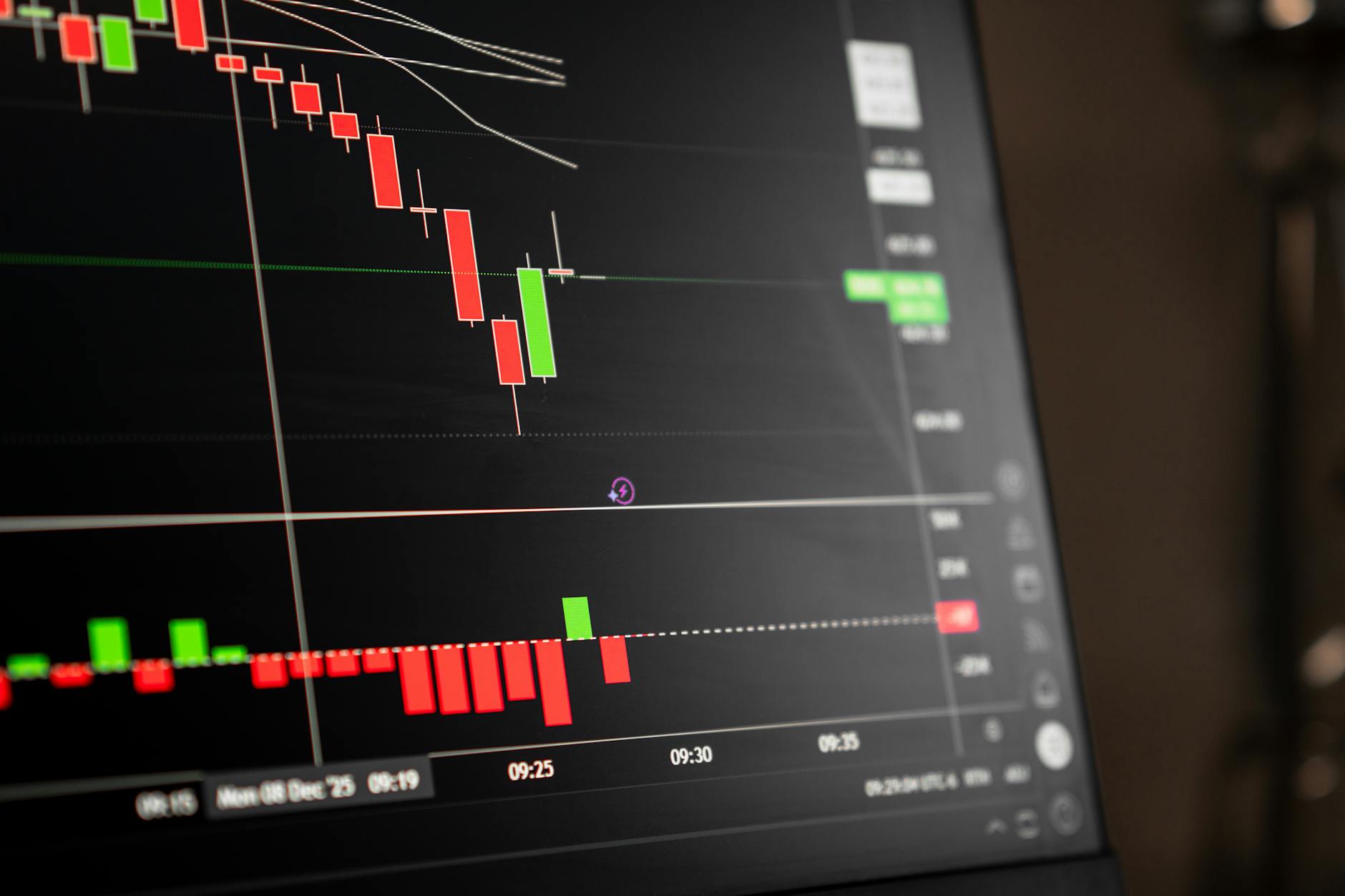
In the volatile world of the Indian equity markets, there is one technical indicator that seasoned traders from Dalal Street to Bengaluru treat with near-religious reverence: the 200-Day Daily Moving Average (DMA).
When a stock is trading below its 200 DMA, it is often viewed as being in a "bearish" or "downward" phase, struggling to find buyers. However, when a stock decisively pierces through this long-term average from below, it signals a massive shift in sentiment. It suggests that the long-term bears are losing control and the bulls are taking charge. As we navigate the market landscape of June 2026, identifying these "Positive Breakouts" can be the difference between catching a multi-month rally and getting stuck in a sideways chop.
In this deep dive, we will explore why the 200 DMA is the "Golden Line" for Indian investors and how you can identify the 8 specific stocks that have just crossed this threshold to signal potential explosive growth.
Understanding the Power of the 200-Day DMA
Before we jump into the specific stock setups, we must understand the psychology behind this mathematical average. The 200 DMA represents the average closing price of a stock over the last 200 trading sessions. In the context of the NSE (National Stock Exchange) and BSE (Bombay Stock Exchange), this indicator is widely used by institutional investors and FIIs (Foreign Institutional Investors) to determine the long-term trend.
Why the Breakout Matters
A breakout above the 200 DMA is not just a price movement; it is a trend reversal signal. Here is why it carries so much weight:
- Institutional Accumulation: Large mutual funds and pension funds rarely buy stocks in a freefall. They wait for the price to stabilize above the 200 DMA before initiating large-scale accumulation.
- Psychological Shift: For months, the 200 DMA acts as a "ceiling" or resistance. Once the stock breaks through, that ceiling becomes a "floor" or support.
- Momentum Catalyst: A breakout often triggers algorithmic trading bots and momentum traders, creating a self-fulfilling prophecy of rising prices.
The Difference Between a "Fakeout" and a "Breakout"
Not every cross is a golden opportunity. In the current 2026 market volatility, we see many "fakeouts"—where a stock crosses the 200 DMA only to fall back below it within three trading sessions. To avoid these, you must look for volume confirmation. A true breakout should be accompanied by a significant surge in trading volume, indicating that big players are participating in the move.
The Anatomy of a Positive Breakout: 8 Stock Archetypes
While we cannot predict the future, we can categorize the types of stocks that are currently crossing their 200 DMAs in the Indian market. As of June 2026, we are seeing these breakouts occurring across different sectors, from renewable energy to specialized manufacturing.
1. The Turnaround Play (Cyclical Recovery)
These are companies that were struggling with high debt or poor management in 2024 and 2025 but have finally cleaned up their balance sheets. When these stocks cross the 200 DMA, it usually marks the end of a multi-year slump.
- Example: A mid-cap steel manufacturer that has finally seen commodity prices stabilize and is now reclaiming its long-term trend line.
2. The Sectoral Leader (Momentum Breakout)
When a specific sector (like Defense or Green Hydrogen) enters a bull run, the leaders of that sector are often the first to break their 200 DMA. These breakouts are usually aggressive and sustained.
3. The Earnings Surprise Breakout
Sometimes, a stock has been sideways for months, hugging its 200 DMA. Suddenly, a stellar quarterly result pushes the price above the average. This is a high-conviction signal because the price move is backed by fundamental growth.
4. The "Base-Building" Breakout
These stocks have been consolidating in a tight range for a long time. The 200 DMA acts as the upper boundary of this range. A breakout here suggests the "coiled spring" is finally releasing.
5. The Volume-Backed Breakout
This is the gold standard. The stock crosses the 200 DMA, and the volume is 2x or 3x the 20-day average volume. This indicates institutional footprints.
6. The Multi-Year Breakout
These are the "Holy Grail" setups. The stock has been below its 200 DMA for years (perhaps since 2024) and has finally reclaimed it. These often lead to massive wealth creation.
7. The Relative Strength Breakout
These are stocks that are crossing their 200 DMA even while the Nifty 50 or Sensex is struggling. This shows "Relative Strength"—the stock is stronger than the broader market.
8. The Consolidation Breakout (Post-Correction)
After a healthy correction, the stock finds a bottom and starts trending upward, eventually crossing the 200 DMA. This is often a safer entry point for swing traders.
How to Screen for These Stocks Efficiently
In 2026, you shouldn't be manually checking every single chart on the NSE. That is a waste of precious time. To find these 8 types of breakouts, you need to use advanced technical screening tools.
Using a Stock Screener
The most effective way to find these stocks is to set up a technical screener with the following parameters:
- Price > 200 DMA
- Current Price was < 200 DMA 5 days ago (This ensures you catch the moment of the breakout)
- Volume > Average Volume (20-day)
- RSI (Relative Strength Index) between 55 and 70 (This ensures the stock has momentum but isn't yet "overbought")
If you are using a professional setup like the Downtox Terminal, you can automate this entire process. Instead of hunting for needles in haystacks, the terminal can alert you the moment a stock in your watchlist satisfies these mathematical conditions.
Diversifying Your View
While individual stocks are great for trading, if you find that an entire sector (like Banking or IT) is breaking above their 200 DMAs, it might be a better time to look at Mutual Funds. You can use a mutual fund screener to identify funds that have high exposure to these breakout sectors, allowing you to ride the wave with less individual stock risk.
Practical Strategy: The "Entry, Stop-Loss, and Target" Framework
Finding the breakout is only 30% of the work. The other 70% is execution. A common mistake Indian retail investors make is "chasing" a stock that has already moved 15% above its 200 DMA.
The Golden Rules of Execution
1. The Entry Point: Never buy a stock that is "extended" (too far away from the 200 DMA). The best entry is either:
- The Breakout Candle: Buying as the price crosses the line with high volume.
- The Retest: Waiting for the price to come back and "touch" the 200 DMA from above. This is often a much safer, albeit slightly missed, entry.
2. The Stop-Loss (Your Safety Net): In the Indian market, volatility can wipe out a beginner in minutes. Always place a stop-loss. A practical rule is to place your stop-loss just below the 200 DMA or below the recent "swing low." If the stock falls back below the 200 DMA, the breakout has failed, and you must exit immediately.
3. The Target (Where to Book Profit): Don't get greedy. A common way to set targets is to look at the previous resistance levels or use a Risk-to-Reward ratio of 1:2. If you are risking ₹10 per share, your target should be at least ₹20.
Real-World Example
Imagine a hypothetical stock, "IndiTech Manufacturing".
- Scenario: For the last 6 months, IndiTech has been trading between ₹450 and ₹500. Its 200 DMA is at ₹510.
- The Event: On June 20, 2026, IndiTech releases a massive order book update. The price jumps to ₹525 on massive volume.
- The Action:
- Entry: Buy at ₹525.
- Stop-Loss: ₹495 (just below the 200 DMA).
- Target: ₹585 (based on a 1:2 ratio).
- The Result: If the trend continues, you capture a significant move. If it fails, your loss is capped at ₹30 per share.
Managing Your Portfolio in a Breakout Market
When you start catching these breakouts, your portfolio will begin to look different. You will see more "growth" oriented stocks and fewer "defensive" stocks. This is where many investors stumble—they fail to manage their overall risk.
Using Portfolio X-Ray for Risk Assessment
As you add these 8 breakout stocks to your holdings, it is vital to ensure you aren't accidentally over-leveraged in one sector. For instance, if all 8 of your breakout stocks are from the "Energy" sector, a single regulatory change from SEBI or a shift in government policy could crash your entire portfolio.
Use a Portfolio X-Ray tool to check your sector concentration. A healthy portfolio should have a mix of sectors even if they are all in a breakout phase. You want "correlated growth," not "concentrated risk."
The Role of Discipline
The biggest enemy of a breakout trader is FOMO (Fear Of Missing Out). You will see a stock jump 20% in a day and feel the urge to jump in. Don't. If it has already broken the 200 DMA and moved significantly higher, the "risk-to-reward" is no longer in your favor. Wait for the next setup.
Conclusion
Crossing above the 200-day DMA is one of the most powerful signals in technical analysis. It marks the transition from a period of pessimism to a period of optimism. By focusing on these 8 stock archetypes, using volume for confirmation, and maintaining strict stop-losses, you can turn technical indicators into a consistent trading edge.
Remember, the market in 2026 is faster and more data-driven than ever before. Use the right tools—screeners to find the stocks, terminals to execute the trades, and X-ray tools to manage the risk. Don't just trade the price; trade the trend.
Disclaimer: I am a financial content writer, not a SEBI-registered investment advisor. The stock examples and strategies mentioned in this article are for educational purposes only. Stock market investments are subject to market risks. Please read all scheme-related documents carefully and consult with a certified financial advisor before making any investment decisions. Past performance is not indicative of future results.
For information and education only. This article is for information and education only. Downstox is not a SEBI-registered Research Analyst or Investment Adviser, and nothing here is investment advice or a recommendation to buy or sell any security. Any views or calls attributed to third parties are theirs, not Downstox's. Markets carry risk; consult a SEBI-registered adviser before investing.
Downstox Markets Desk
Markets Desk · NSE · BSE · Nifty 50
Daily Indian-equities desk - Nifty, Sensex, sector wraps, technical analysis.
View Downstox Markets Desk's profile →Get weekly market insights delivered free
Curated Indian market analysis, every Sunday morning. Written by traders, for traders.
Join 10,000+ Indian traders. No spam. Unsubscribe anytime.
Related reads
More in technical analysis →
Understanding RSI Strategy for Indian Equity Markets in 2026

Understanding VWAP: How Institutional Traders Use This Metric

How to Start Investing in Indian Stock Market: A Complete Beginner Guide
UPL and Other Stocks Closing Above VWAP: Technical Analysis
